Why is my period not stopping?

Most women expect their period to last between a few days and a week. So, when bleeding continues longer than usual or seems like it won’t stop, it can be frustrating, concerning and disruptive to everyday life. While occasional changes in your menstrual cycle can happen, prolonged or unusually heavy bleeding may be a sign of an underlying gynecologic […]

What is the best treatment for uterine fibroids?

If you’ve been diagnosed with uterine fibroids, you may be wondering what treatment option is right for you. The answer isn’t always simple. Fibroids are extremely common, affecting up to 80% of women by age 50. While some women never experience symptoms, others may struggle with heavy bleeding, pelvic pressure, pain or fertility challenges. Because […]

Is a hysterectomy a major surgery?

If your doctor has recommended a hysterectomy, it’s normal to have questions. One of the most common is: Is a hysterectomy considered major surgery? The short answer is yes. A hysterectomy is a major surgical procedure because it involves removing the uterus. However, advances in minimally invasive techniques have dramatically changed what recovery looks like for many women. […]

Do I need surgery for pelvic organ prolapse? Here’s what to know

If you’ve noticed a feeling of pressure in your pelvis, a bulge in your vagina or changes in your bladder habits, you’re not alone. These symptoms may be signs of pelvic organ prolapse, a common condition that affects millions of women. While pelvic organ prolapse can be uncomfortable and sometimes embarrassing to discuss, effective treatments […]

PCOS is now PMOS: What the new name means for your care

For many years, we referred to this condition as Polycystic Ovary Syndrome (PCOS). In 2026, an international consensus published in The Lancet recommended changing the name to Polyendocrine Metabolic Ovarian Syndrome (PMOS) to better reflect what the condition truly is: a complex disorder that affects much more than the ovaries. PMOS is one of the most common hormonal conditions in women. […]

Could endometriosis be causing your pelvic pain?

Painful periods are common, but they shouldn’t be something you simply accept as part of life. If pelvic pain is interfering with work, relationships or daily activities, endometriosis may be the reason. Endometriosis affects more than 10% of women in the United States between the ages of 15 and 44, making it one of the most […]

Answering 6 Questions You May Have About C-Sections

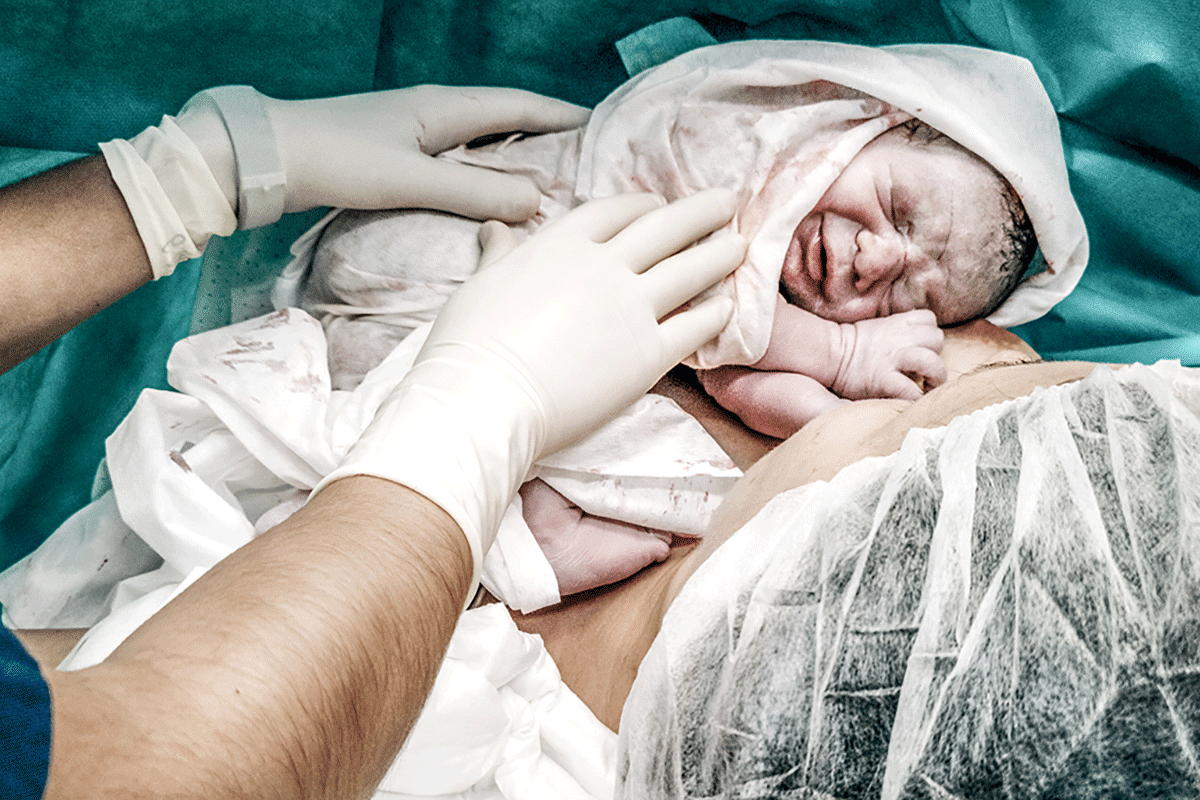
Expecting a new addition to your family is an exciting time. You may be setting up a nursery, choosing a going‑home outfit, installing a car seat, or thinking ahead to labor and delivery. One topic many expectant parents have questions about is cesarean delivery, commonly called a C‑section. Even if you’re planning a vaginal birth, understanding what […]

What are the options for a leaky bladder? 

A leaky bladder is an unwelcome condition that can turn life’s special moments into embarrassing ones.  No one enjoys spending quality family time in the bathroom trying to prevent a leaky bladder episode or heading home early from an outing because you just couldn’t make it in time.  Leaky bladders, also known as urinary incontinence, affect […]

UTIs in Women vs. Men: What You Need to Know and How to Prevent Them

A urinary tract infection (UTI) is common, but often uncomfortable, painful, and disruptive. Symptoms can appear suddenly and interfere with your daily routine. Fortunately, UTIs are treatable and often preventable. What is a UTI? A UTI is an infection in the urinary system, which includes the bladder, urethra, and kidneys. While UTIs can affect anyone, they are […]

What does a urogynecologist do? How they differ from urologists and gynecologists

A urogynecologist is a physician specializing in Urogynecology and Reconstructive Pelvic Surgery. They have advanced training in both gynecology (women’s reproductive health) and urology (urinary tract health), making them uniquely qualified to treat conditions that affect the pelvic floor muscles and pelvic organs—such as the bladder, vagina, and rectum. Pelvic floor disorders (problems of the pelvic organ and pelvic […]

What are the side effects of having your tubes tied?

Tubal ligation, commonly known as “getting your tubes tied,” is a permanent form of birth control chosen by millions of women. As a gynecologic surgeon, I often discuss this procedure with patients who are confident they don’t want future pregnancies. While it’s highly effective, it’s essential to understand the potential side effects and risks before deciding. […]

How many LEEP procedures can I have before a hysterectomy? 

If you have been told by your physician that you have abnormal cervical cells after a pap smear, you may be considering a number of treatment options. Your doctor may have recommended a loop electrosurgical excision procedure – also known as a LEEP procedure – or, in more serious cases, a hysterectomy. Let’s take a look at what each procedure involves, how many LEEPprocedures you can […]

What happens if pelvic organ prolapse is left untreated?

Pelvic organ prolapse (POP) is a condition that affects millions of women, particularly those who have experienced childbirth, menopause, or pelvic surgery. As a physician assistant specializing in urogynecology, a specialty focused on treating pelvic floor disorders in women, I often encounter patients who delay seeking care for prolapse due to embarrassment, uncertainty, or the misconception that it will resolve on its […]

What causes cervical cancer?

Cervical cancer develops in the cells of the cervix—the lower part of the uterus that connects to the vagina. Understanding its causes is essential for prevention and early detection. Primary cause: Human papillomavirus (HPV) The leading cause of cervical cancer is infection with certain types of human papillomavirus (HPV). HPV is a group of over 100 related viruses, some of […]

How to Tell If You Have Pelvic Prolapse: Signs You Can Feel

As a urogynecologist, one of the most common and often anxiety-inducing questions I hear from patients is: “What does a pelvic organ prolapse actually feel like to touch?” It’s a great question and one that deserves a clear and compassionate answer. What is a Pelvic Organ Prolapse? Pelvic organ prolapse (POP) occurs when the muscles and connective tissues of the […]

Overcoming pelvic health challenge: A retired nurse’s journey

As a urogynecologist, I’ve dedicated my career to helping women overcome the challenges of pelvic floor disorders. These conditions are often underdiagnosed, misunderstood, and deeply personal. Last summer, on my very first day seeing patients at Northeast Georgia Physicians Group (NGPG), I met Carolyn Johnson, a retired operating room nurse who came in with symptoms of pelvic organ […]

How is Endometriosis Diagnosed?

As an OB/GYN, I often meet patients who have been silently suffering with pain for years. They may have painful periods from chronic pelvic pain, or trouble getting pregnant. One of the most common reasons behind these problems is endometriosis. This condition affects an estimated 1 in 10 women of reproductive age in the United […]

women laughing and chatting together

How long do you have to be on bed rest after a hysterectomy?

You’ve got a full calendar, a to-do list a mile long — and now, a hysterectomy on the horizon. Understandably, one of your first thoughts might be: “How long am I actually going to be down for?” Or more specifically: “Will I be stuck in bed for weeks?” The short answer: probably not for as long as you think. […]