

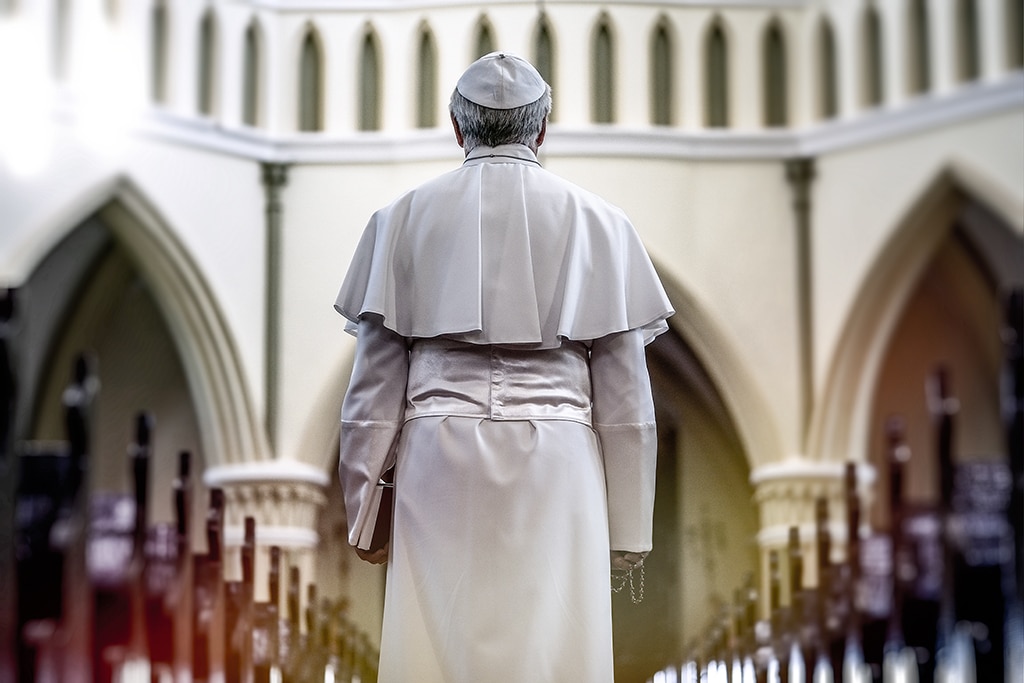
News that Pope Leo XIV recently underwent surgery for lung cancer has brought renewed attention to the advances being made in lung cancer treatment and recovery. Reports indicate the pope underwent a right lower lobectomy, a surgical procedure that removes one lobe of the lung. He is expected to spend about a week recovering in the hospital.
That recovery time is what most people expect after major surgery. But thanks to dramatic advances in minimally invasive and robotic-assisted techniques, many patients who qualify for this approach can recover much faster.
In fact, nearly all the patients I treat can go home the very next day after surgery.
What is a lobectomy?
A lobectomy is one of the most effective surgical treatments for early-stage lung cancer. In the past, these operations required large incisions and significant recovery time. While open surgerystill plays an important role in certain situations, technology has transformed how we perform many lung cancer surgeries.
What is minimally invasive surgery?
Minimally invasive surgery uses small incisions, usually half an inch or less, instead of the larger cuts used in traditional surgery. This approach lets patients heal faster, with fewer complications, less pain and smaller scars.
Robotic-assisted surgery at Northeast Georgia Health System
At Northeast Georgia Health System (NGHS), we have invested heavily in robotic-assisted thoracic surgery. This technology lets us perform complex lung cancer procedures through small incisions with exceptional precision. Our lung cancer resection surgery program recently earned the highest ratings from the Society of Thoracic Surgeons, placing us among an elite tier of the top 32 thoracic surgery programs in North America.
Since June 2023, our team has performed 100% of lung cancer resection surgeries using robotic technology. By comparison, centers nationwide perform only about 68% of these procedures robotically.
The benefits for patients can be remarkable. Here at NGHS, 98.9% of my robotic lung surgery patients can go home the day after surgery, without little blood loss and few complications. If you or someone is facing a lung cancer diagnosis, knowing that recovery can be measured in days instead of weeks can bring real peace of mind.
What affects recovery time after lung surgery?
Of course, every patient is different. Your overall health, the size and location of the tumor, and the complexity of the operation all affect how quickly you recover. Some patients will still need a longer hospital stay, and that is OK. Our top priority is always the safest, most effective treatment for each person.
Why early detection still matters most
Just as important as treatment is early detection. Lung cancer is often most curable when it is found before symptoms develop. If you have a history of smoking, ask your primary care provider if you qualify for lung cancer screening. A simple low-dose CT scan can catch lung cancer at an earlier stage, when it is most treatable and when surgery may offer the best chance for a cure. News reports indicate this is how the pope’s cancer was found.
The attention surrounding Pope Leo XIV’s surgery reminds us that lung cancer affects people from every walk of life. It is also an opportunity to recognize how far treatment has come. Today, thanks to robotic-assisted surgery, many patients who have a lobectomy can feel less pain and return home sooner than ever before.
Connect with our program
At NGHS, we are proud to bring these advances to the communities we serve. For more information about our lung cancer surgery program, click here. We also offer treatments for people with more advanced lung cancer who don’t qualify for surgery. Learn more here.
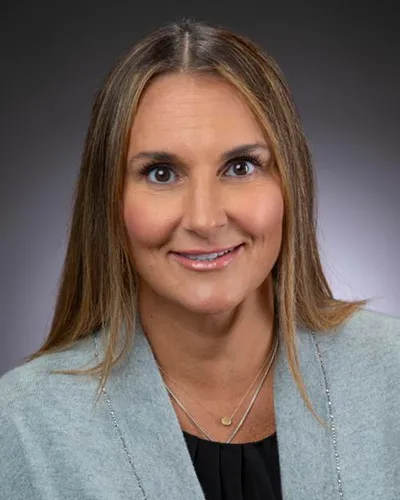
Karen Gersch, MD, FACC, FACS, is a cardiothoracic surgeon with Northeast Georgia Physicians Group Cardiovascular & Thoracic Surgery.