


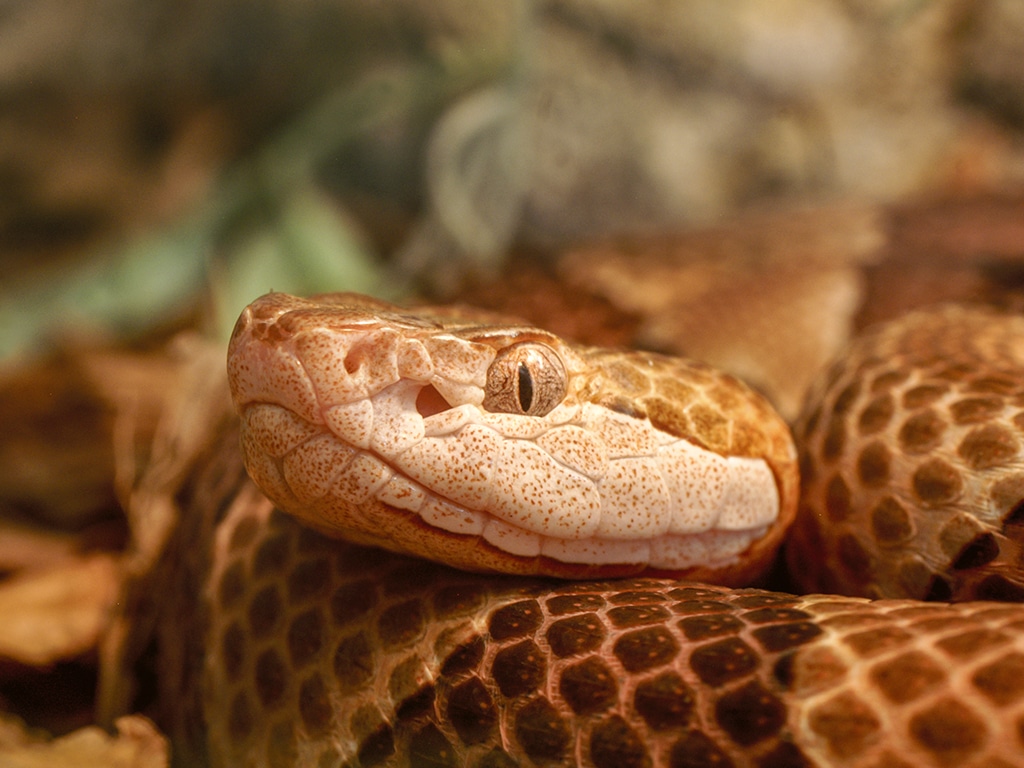
Summer is the perfect time to enjoy North Georgia’s beautiful trails, lakes, parks and backyards. It’s also the time of year when snakes are most active. Most snake bites can be treated successfully when you receive prompt medical care.
Snakes in Georgia
Georgia is home to more than 40 species of snakes. Most are harmless; however, Georgia is also home to several venomous snakes, including:
- Copperheads – most common venomous snake in North Georgia
- Cottonmouths (water moccasins)
- Timber rattlesnakes
- Eastern diamondback rattlesnakes
- Pigmy rattlesnakes
Because it can be difficult to identify a snake after a bite – and because even nonvenomous bites can become infected – it’s important to take every snake bite seriously.
What should you do if you’re bitten by a snake?
If you or someone with you is bitten by a snake, stay as calm as possible and follow these steps.
Get to an Emergency Department Immediately – Snake bites should be evaluated in an emergency department, where providers can determine whether antivenom or other treatment is needed. If possible, have someone else drive you. If you’re alone and have severe symptoms, call 911.
If you aren’t sure what to do, call the Georgia Poison Center at 1-800-222-1222 while you’re on your way to the emergency department. Poison specialists are available 24 hours a day to provide guidance.
Stay calm – Although easier said than done, remaining calm can help slow the spread of venom through your body. Try to limit movement and keep the bitten arm or leg as still as possible while traveling to the hospital.
Remove tight items – Before swelling begins, remove rings, bracelets, watches or tight clothing near the bite. Swelling can happen quickly after some snake bites.
What NOT to do after a snake bite
Don’t apply a tourniquet – A tourniquet can cut off blood flow and cause serious damage to the affected limb.
Don’t cut the bite or try to suck out the venom – Cutting the wound or attempting to remove venom by mouth does not help and can make the injury worse.
Don’t apply ice – Ice does not stop venom from spreading and may increase tissue damage.
Don’t try home remedies – Avoid electric shock, herbal treatments or other unproven methods. The safest treatment is prompt medical evaluation.
Don’t try to catch the snake – You do not need to bring the snake to the hospital. Trying to capture or kill it increases the risk of another bite. If you can safely take a picture from a distance, that’s fine – but never put yourself in danger to identify the snake.
How can you prevent snake bites?
Most snakes don’t want to interact with people. Bites usually happen when a snake feels threatened or is accidentally stepped on.
You can reduce your risk by:
- Watching where you step while hiking or working outdoors.
- Wearing closed-toe shoes or boots in wooded or grassy areas.
- Avoiding tall grass when possible.
- Looking carefully before reaching into woodpiles, brush or rocks.
Who is most at risk?
Snake bites can happen to anyone, but certain groups are at higher risk, including:
- Hikers
- Campers
- Hunters
- Gardeners
- Landscapers
- Farmers
- Children playing outdoors
- People working around woodpiles or construction sites
Being aware of your surroundings can go a long way toward preventing bites.
What happens at the hospital?
Many people worry that every snake bite requires antivenom, but that’s not always the case.
When you arrive at the emergency department, your care team will:
- Examine the bite.
- Monitor your symptoms.
- Watch for swelling or signs of venom.
- Order testing if needed.
- Decide whether antivenom is appropriate.
Not every snake is venomous, and not every venomous bite injects venom. Your healthcare team will determine the safest treatment based on your symptoms.
The earlier you’re evaluated, the better your care team can monitor your condition and begin treatment if needed.
When should you call 911?
Call 911 immediately if the person who was bitten:
- Has trouble breathing.
- Becomes dizzy or faints.
- Experiences severe swelling.
- Has uncontrolled bleeding.
- Is unable to safely travel to the hospital.
Even if symptoms seem mild at first, they can change quickly.
Be prepared before you head outdoors
Most snake bites are preventable, and knowing what to do can make all the difference.
Whether you’re hiking, gardening or spending time with family outside, remember these key steps:
- Stay calm.
- Get to the nearest emergency department immediately.
- Call the Georgia Poison Center (1-800-222-1222) for guidance while you’re on your way.
- void outdated first-aid techniques like tourniquets, cutting the wound or applying ice.
At Emergency Departments at Northeast Georgia Health System, our team is trained to quickly evaluate and treat snake bites, including venomous bites that require specialized care.
If you experience a snake bite, don’t hesitate to receive care. Prompt medical evaluation is the safest choice.
For more information about snake bite prevention and treatment, visit the Georgia Poison Center website, which provides free, expert guidance 24 hours a day.