



Whether you’re returning to a training routine, increasing your mileage, or preparing for competition, a dull, aching pain along your shin bone, called a shin splint, is the last thing you need. A shin splint is a dull, aching pain along the shin bone caused by repetitive stress on the bone and surrounding muscles, most often from a sudden increase in running or training. Although it is both annoying and painful, there are steps you can take to prevent and treat this common overuse injury.
Understanding shin splints
Medial tibial stress syndrome, or shin splints, is characterized by a dull, aching pain along the tibia (shin bone), typically extending from just above the ankle toward the knee. This discomfort often develops during or after exercise and can make it difficult to maintain a consistent training schedule.
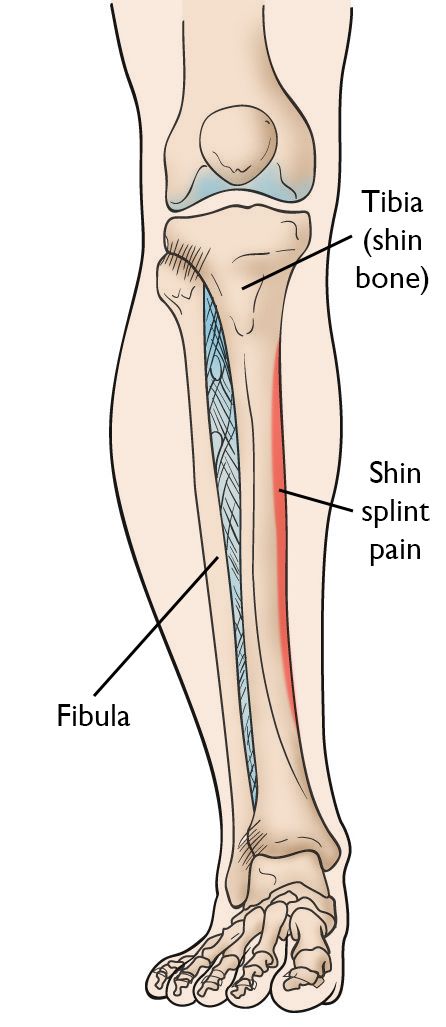
Shin splints occur due to repetitive stress on the shinbone and the surrounding muscles and connective tissues. They frequently develop after a period of increased activity, such as ramping up intensity, duration, or frequency of workouts. Many patients notice that the pain may temporarily ease during activity as blood flow increases, only to return afterward or the following day.
Research suggests that shin splints account for up to 16% of running-related injuries, affecting both recreational and competitive athletes.
Risk factors include:
- Flat feet or high arches
- Worn or improper footwear
- Training on hard or uneven surfaces
- Prior lower leg injury
- Sudden increases in training intensity or volume
While common among runners, shin splints also affect athletes involved in high-impact sports such as basketball, soccer, tennis, and football.
Shin splints vs. stress fracture: knowing the difference
Shin splints and stress fractures can feel similar at first, but they aren’t the same injury. Shin splints typically cause a broader, dull ache along the inner shin that may ease once you’re warmed up.
A stress fracture, on the other hand, usually produces sharp, pinpoint pain at a specific spot on the bone that worsens with activity and doesn’t improve with rest.
If you can press on one small area and reproduce significant pain, or if the pain persists even at rest, it’s time to see a provider for imaging rather than continuing to train through it.
How to prevent shin splints
Preventing shin splints starts with thoughtful training habits and proper biomechanical support.
- Warm up properly: Spend 5–15 minutes preparing your muscles before activity.
- Progress gradually: Follow the “10% rule,” by increasing mileage or intensity by no more than 10% and progress slowly to reduce stress on the lower leg.
- Strengthen supporting muscles: Incorporate exercises that target the calves, ankles, hips, and core to improve stability and absorb impact more effectively.
- Wear appropriate footwear: Choose shoes that match your foot type and activity level, and replace them every 300–500 miles or every 4–6 months if you run regularly.
- Vary your surfaces: Alternating workout surfaces can reduce repetitive strain on the same structures.
How to manage shin splint pain
If shin splint symptoms develop, early intervention is important to prevent progression.
- Rest and activity modification: Reduce or pause high-impact activity to allow healing.
- Ice therapy: Apply ice for 15–20 minutes once or twice daily to reduce inflammation.
- Anti-inflammatory medications: Over-the-counter options, such as ibuprofen, may help alleviate discomfort when appropriate.
- Cross-training: Low-impact activities like cycling, swimming, or using an elliptical can help maintain cardiovascular fitness without worsening symptoms.
If pain becomes sharp, localized, or persists despite rest, it’s important to rule out a more serious condition such as a stress fracture.
When to seek professional care
Persistent or worsening lower leg pain should be evaluated by a medical professional. A podiatrist can assess your biomechanics, identify contributing factors, and develop a personalized treatment plan that may include orthotics, physical therapy, or gait analysis.
If you’re experiencing ongoing symptoms or have concerns about a possible stress injury, consider scheduling an appointment with one of our providers at Northeast Georgia Physicians Group Podiatry. Early assessment and intervention can help you return to activity safely and efficiently.
Don’t let shin splints interrupt your progress. With proper prevention, early recognition, and expert care, you can stay active and continue working toward your athletic goals.