


Originally posted on December 31, 2021
As an endocrinologist, I understand how challenging it can be to manage diabetes, especially during cold and flu seasons. When you’re sick, your body releases stress hormones that can raise your blood sugar and make managing your diabetes harder. Whether you’re dealing with a cold, the flu or other illness, having a clear sick-day plan can help you stay safe and avoid complications.
When you’re not feeling well, it is more important than ever to take these easy-to-follow steps to help you manage your diabetes during an illness and understand what to do when you’re sick with diabetes:
1. Stay on top of your blood sugar
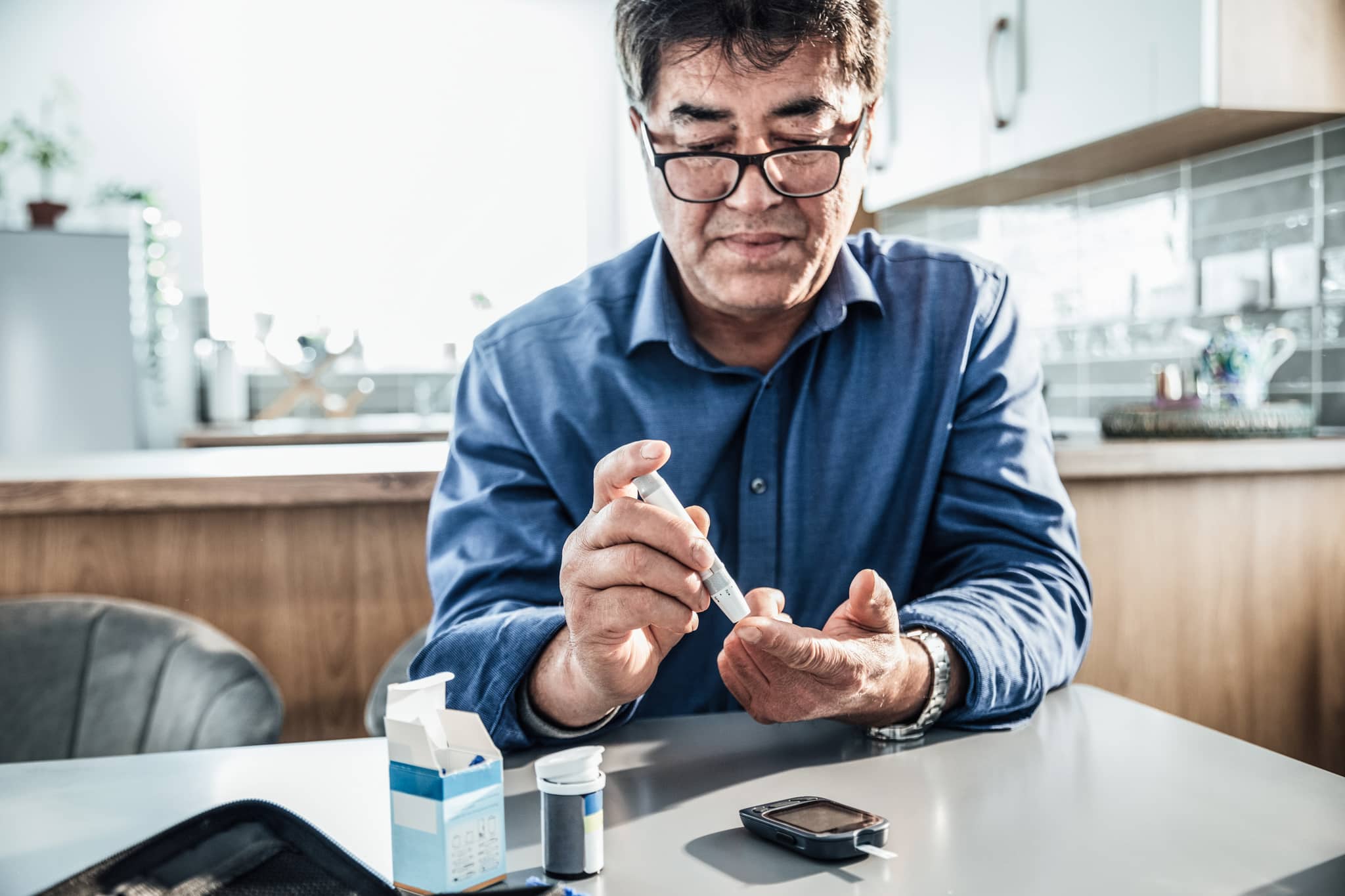
Illness can cause your blood sugar to rise, even if you’re eating less than usual. It’s important to monitor your blood sugar closely.
Check your blood sugar every 4-6 hours and write down these results so you can spot trends and share them with your care team.
Monitoring your levels closely is one of the most important parts of any diabetes sick day plan.
2. Test for Ketones if You Have Type 1 Diabetes
When your body doesn’t have enough insulin, it starts breaking down fat as fuel. When this happens, your body produces ketones. Checking ketones regularly is a key part of how to manage diabetes while sick, especially for those with Type 1 diabetes.
- Check your ketones using a urine ketone test regularly.
- When too many ketones are produced too fast, they can be dangerous and cause diabetic ketoacidosis (DKA), a life-threatening complication of unmanaged diabetes that requiresimmediate care.
If ketones are moderate or high, call your doctor right away.
3. Keep taking your insulin or oral diabetes medications
Even if you’re not eating normally, your body still needs insulin or your oral diabetes medication to manage the blood sugar fluctuations caused by stress hormones.
- Do not stop insulin unless instructed by your provider
- If you are vomiting and cannot keep oral medications down, consult your care team about alternative options based on your blood sugar levels until you can tolerate food.
- You may need to adjust your insulin dosage. Ask your care team for your temporary adjustments.
Following your provider’s guidance on medication adjustments is essential for safely managing diabetes when you’re sick.
4. Try your best to follow your meal plan.
Knowing what to eat or drink when you’re sick with diabetes can help you stay hydrated, prevent lows and support recovery.
- Drink plenty of water or sugar-free liquids (at least eight oz. every hour).
- Try crackers, Jello, broth, popsicles or applesauce if you can’t eat solid foods.
- If you cannot keep food down, you will need to drink liquids with sugar in them. Try ginger ale, fruit juice, or sports drinks. Remember, we need carbohydrates for energy.
5. Check over-the-counter medications before taking
Many over-the-counter (OTC) cold medications are safe, but some contain sugar or have other ingredients that raise blood sugar levels. Opt for sugar-free versions and ask your doctor or pharmacist before choosing one.
6. Rest and ask for help when you need it.
Rest is an important part of any diabetes sick-day plan and helps your body stabilize blood sugar more effectively. Be sure to rest and ask your family or friends for help when needed.
Make sure these family members know the signs of hypoglycemia, including:
- Shakiness
- Confusion
- Sweating
- Irritability
Call your doctor or seek medical care if you experience any of the following:
- Blood sugar stays over 300 or under 70.
- Fever of 100.4 or higher.
- Unable to keep liquids down for more than 4 hours.
- Vomiting or diarrhea for more than 6 hours.
- Trouble breathing.
- Extreme sleepiness or confusion
Frequently Asked Questions
Why does blood sugar rise when you’re sick?
Illness triggers stress hormones that naturally raise blood sugar, even if you’re eating less.
What if I can’t eat while I’m sick?
Try soft, bland foods or carbohydrate-containing fluids like juice or regular sports drinks to prevent low blood sugar.
How often should I check for ketones?
If you have Type 1 diabetes, check every 4–6 hours until you’re feeling better.
Learn more
To find support managing diabetes during illness, connect with an endocrinologist here or learn about the Diabetes Education Program at Northeast Georgia Medical Center. Individual and group sessions are available to help you create a personalized diabetes sick day plan and to support your journey in understanding and managing your diabetes
Talk to your healthcare provider about referring you to diabetes education if you or someone you know would find these services beneficial. To learn more, call 770-219-0887 or email diabetes.website@nghs.com.