

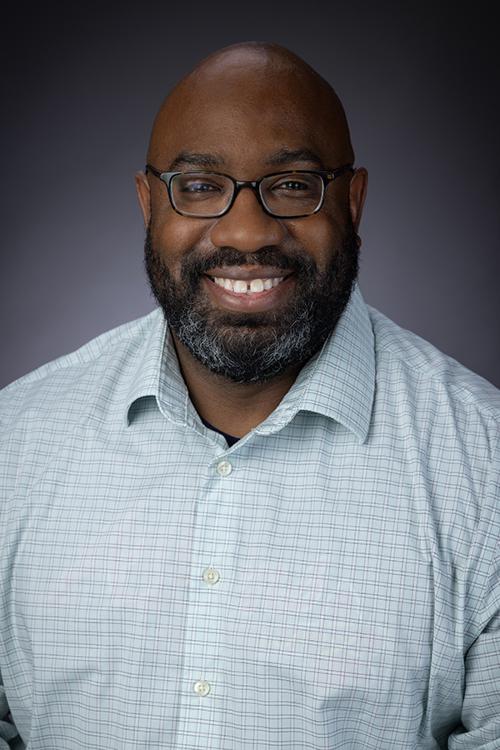

As a board-certified general surgeon, I want patients to know that they have options nearby for colon cancer screening, especially if you have ever wondered what kind of doctor performs a colonoscopy. Many patients are surprised to learn they can schedule a colonoscopy with a general surgeon close to home.
A colonoscopy is one of the most effective tools for preventing colorectal cancer. It allows providers to detect and remove precancerous polyps before they become cancerous, helping reduce risk through early detection and timely intervention.
Why is a colonoscopy important for colon cancer screening?
According to the American Cancer Society, more than 154,000 new cases of colorectal cancer were diagnosed in 2025. Rates continue to rise, particularly among younger adults. By 2030, early-onset colorectal cancer cases (adults younger than the age of 50) are projected to increase by more than 140%.
These trends may be alarming, but routine screening can dramatically reduce your risk. A colonoscopy allows your doctor to examine the inside of your colon (your large intestine) and rectum to detect and remove precancerous polyps before they become cancerous. This early detection is essential — colorectal cancer is one of the most preventable cancers when caught early through routine screening.
Can a general surgeon perform a colonoscopy safely?
Yes. General surgeons are fully trained to perform colonoscopies safely and effectively. Studies show general surgeons perform colonoscopies safely, with low complication rates comparable to gastroenterologists (GIs) and colorectal surgeons (CRSs).
While GIs often perform a high volume of colonoscopies, general surgeons are highly skilled in endoscopic procedures and techniques. This expertise is especially valuable for patients who may need surgical intervention or have complex medical histories.
Specialized colorectal surgeons may offer deeper expertise for certain rectal or colon conditions, but for most patients, a general surgeon is a safe, trusted option for screening. In many cases, general surgeons also practice in community-based settings, making them an accessible choice for high-quality colonoscopy care close to home.
When should you get a colonoscopy?
Routine screening depends on your risk level.
Major health organizations, like the American Cancer Society (ACS) and the U.S. Preventive Services Task Force (USPSTF), recommend that adults at average risk, meaning no personal or family history of colon cancer or polyps, begin routine colonoscopy screening at age 45. If no polyps are found, screenings should continue every 10 years until age 75.
If you are at higher risk, you may need earlier or more frequent screening. This includes individuals who:
- Have a family history of colon cancer, such as a parent or sibling
- Have a personal history of colon polyps
- Have inflammatory bowel disease, such as Crohn’s Disease or ulcerative colitis
- Have genetic conditions and syndromes, such as familial adenomatous polyposis (FAP) or Lynch syndrome
If you have a family history of colon cancer, you should begin screening 10 years before the age of diagnosis.
For example, if your relative was diagnosed at 50, you should start at 40. Individuals with genetic conditions like Lynch syndrome or other inherited risk factors may need to start even sooner, sometimes before age 40, and should discuss a personalized plan with their doctor. If you’ve had polyps removed in the past, follow-up colonoscopies are typically recommended every 3 to 5 years, depending on the type and number of polyps found.
Symptoms that warrant early screening
Even if you are younger than the recommended screening age, you should talk to your doctor if you experience:
- Rectal bleeding or blood in your stool
- Changes in bowel habits (diarrhea, constipation)
- Abdominal pain, cramps, or bloating
- Feeling like your bowel isn’t completely empty
- Unexplained weight loss
Why choose a general surgeon?
Choosing a general surgeon for colonoscopy screening offers several advantages:
- Comprehensive care: General surgeons can diagnose and treat issues during the same procedure, if needed.
- Continuity of care: If surgery is required, your care remains coordinated with the same provider.
- Trusted expertise: General surgeons follow the same national safety and quality standards as other specialists, delivering excellent outcomes backed by proven training.
What to expect when you schedule your colonoscopy
Once your appointment is scheduled, we’ll guide you through every step:
- Consultation: We’ll see you in the clinic to review your medical history, sign consent forms, and you’ll receive detailed prep guidelines to ensure your colon is clear for accurate screening.
- Day before procedure: You will receive a call the day before, after 2 PM, to confirm your arrival time. If your appointment is on a Monday, you will receive instructions on Friday.
- Day of Procedure: A colonoscopy typically takes 30 to 60 minutes. Most patients go home on the same day.
- Follow-Up: We’ll review your results with you, including whether polyps were removed and when your next screening should be scheduled.
Frequently asked questions about colonoscopies
What kind of doctor performs a colonoscopy?
Colonoscopies can be safely and effectively performed by several types of trained specialists, including general surgeons, gastroenterologists, and colorectal surgeons. A colonoscopy doctormust complete specialized training in endoscopic procedures and meet national quality and safety standards. For routine colon cancer screening, a board-certified general surgeon is a trusted option who can perform the procedure.
Is there a difference between a gastroenterologist and a general surgeon for colonoscopy?
Both are qualified to perform colonoscopies. Gastroenterologists specialize in digestive diseases, while general surgeons offer procedural expertise and continuity of care if surgery is needed.
How often should I get a colonoscopy?
Most adults at average risk should begin screening at age 45 and repeat every 10 years if results are normal. Your provider may recommend a different schedule based on your history.
Do I need a referral for a colonoscopy?
This depends on your insurance plan. Our team can help determine whether a referral is required.
Take the Next Step
Early detection saves lives. If you are due for a screening or have concerns about colon cancer, schedule your colonoscopy with a general surgeon at Northeast Georgia Physicians Group for expert care close to home.
Call 770-219-9200 or click the button below to make an appointment.