

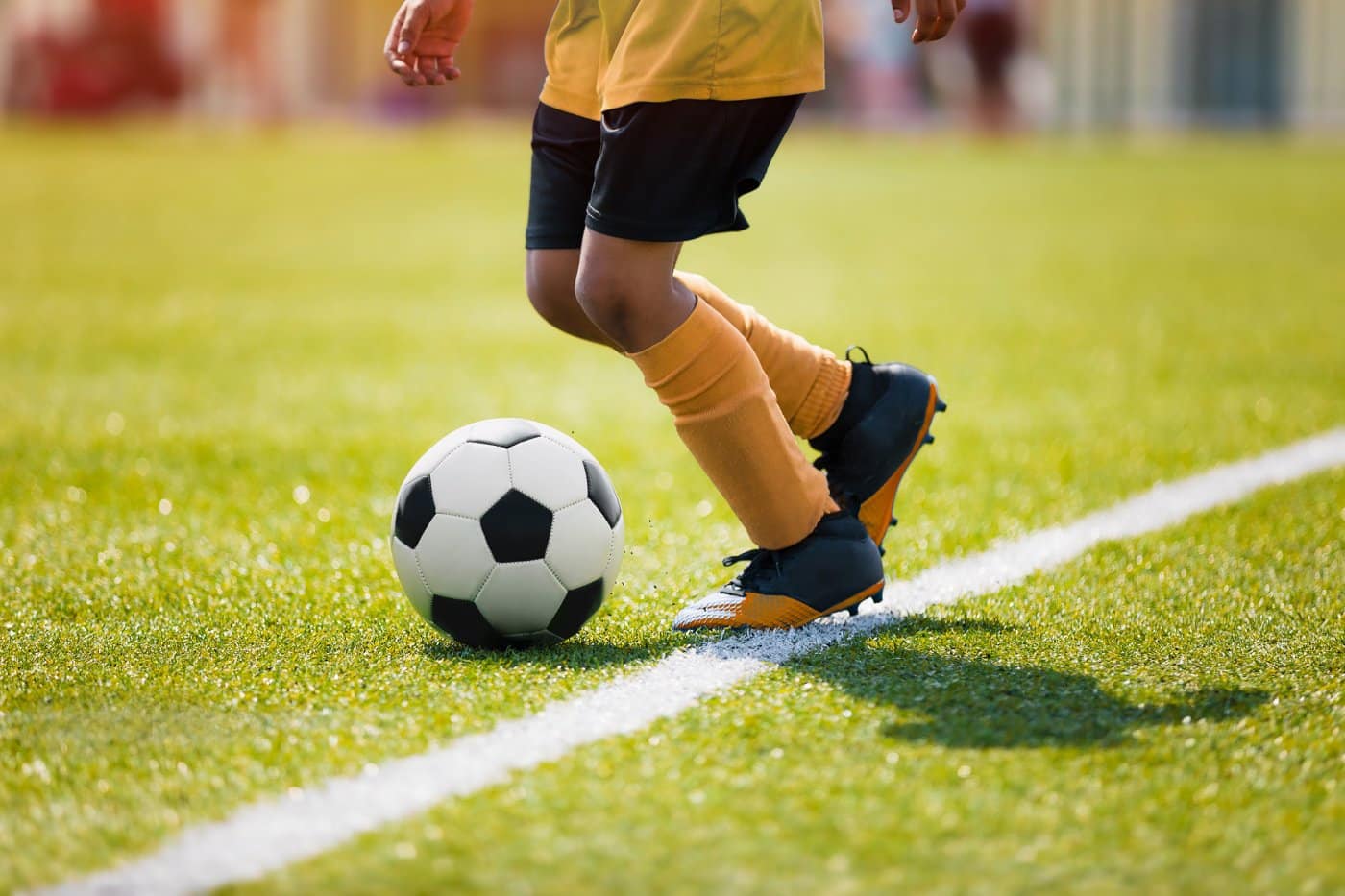
Sports are a big part of childhood. With recreational leagues, school sports, and travel teams, young athletes are pushing themselves harder than ever. But as parents, it’s important to ask: should kids play through pain?
The short answer: No. Especially when growth plates are still open, playing through pain can lead to serious injuries that can impact long-term development. The most common of these injuries is apophysitis.
What is Apophysitis?
Apophysitis is an overuse injury that causes inflammation to any muscle or tendon that attaches to an area of a bone where a growth plate is located. The most common cause? Overuse, followed by sudden injuries like falls or quick, forceful movements.
What are the symptoms of Apophysitis?
While the symptoms of apophysitis can vary, the number one thing to watch for is pain that worsens during or after repetitive sport-related activities such as running, jumping, and/or throwing. Also, be concerned if you notice pain, swelling, or tenderness to the touch over a growth plate area at the shoulder, elbow, hip, knee, heel, or foot.
When are kids most at risk?
Kids are most at risk for apophysitis during periods of rapid growth, when muscles and tendons can become tight and inflexible. Young athletes who play sports or perform repetitive activities such as running, jumping, or throwing, and then play through the pain, are at risk of growth plate injuries.
How is it diagnosed?
If these symptoms appear and you suspect your child may have apophysitis, contact your pediatrician or sports medicine physician immediately. Generally, this condition is diagnosed through a simple history and physical exam; your physician may order X-rays to confirm the diagnosis or rule out more serious injuries, such as fractures or dislocations.
What are the most common types of apophysitis?
Once you bring your child in to see their pediatrician, family medicine physician, or sports medicine physician, who confirms the diagnosis, they may use a more specific diagnosis based on the location of your child’s pain.
Common Forms of Apophysitis:
- Little Leaguer Shoulder – Pain to the upper outer part of the arm, especially with throwing/pitching motions
- Little Leaguer Elbow – Pain located on the bony part of the inner aspect of the elbow, again with throwing/pitching motions
- Iliac Crest Apophysitis – Pain around the bony part of the upper hip area near the waist, most often associated with a quick, forceful sprint/turn
- Sinding-Larsen-Johansson (SLJ) Syndrome – Pain located at the bottom part of the kneecap, most commonly from jumping motions
- Osgood Schlatter’s Disease – Pain located on the bony prominence of the leg just past the kneecap, which is called the Tibial Tubercle, most commonly from jumping motions
- Sever’s Disease – Heel pain, frequently caused by running or jumping
- Iselin’s Disease – Pain along the outside part of the foot, most commonly from running, jumping, or a twisting injury
What are the common treatments for apophysitis?
Treatment for growth plate injuries depends on the location and severity of the injury. Often, the best initial treatment for apophysitis is rest and a break from the sport. Some other treatments that your sports medicine physician may recommend are:
- NSAIDs (or anti-inflammatories) to help control pain and reduce inflammation
- Ice, which works as a topical anti-inflammatory and can help alleviate and control pain
- Braces or supportive equipment can protect the area of concern and sometimes alleviate pain
- Short-term use of crutches, walking boots, or immobilization when needed
- Rehabilitation with an athletic trainer or a physical therapist that will include stretching, strengthening, and treatments to reduce pain and prevent future injury
How to help prevent it?
Preventing apophysitis starts with listening to your child’s body. Monitor activity-related pain and recognize its symptoms early.
Parents, coaches, and young athletes can help reduce risk by:
- Encouraging rest when pain appears
- Avoiding year-round specialization in a single sport
- Prioritizing proper warm-ups and stretching
- Supporting age-appropriate training and recovery time
Avoiding sport specialization (year-round in one sport) is paramount. Doing this will allow your child’s body to rest from more strenuous and repetitive sports activities, such as throwing or jumping, and will help prevent overuse injuries.
When to seek care
Again, while most Apophysitis injuries are treated conservatively, if you believe your child has symptoms consistent with apophysitis, please contact your pediatrician or sports medicine physician for further evaluation.
For questions, more information, or to schedule an appointment, please contact NGPG Orthopedic Surgery & Sports Medicine.
Walk-In Clinic
If it’s a little more time sensitive, though, then don’t wait. We understand that injuries don’t always happen on a schedule. Known as the Black and Blue Clinic in the community, the NGPG Orthopedic and Sports Medicine Walk-In Clinic is open every Monday morning to provide timely, expert care for sports-related and orthopedic injuries—no appointment needed.